


Understanding Age-Related Macular Degeneration (AMD): What Your Doctor Looks for in the Back of Your Eye
Today is the perfect time to focus on protecting your vision as you age. According to the American Academy of Ophthalmology, AMD is one of the leading causes of vision loss in adults over 60.
At Sight360, we provide complete, “360-degree” eye care from routine eye exams to advanced retina treatments. Our goal is to help you protect your vision and maintain your quality of life at every stage.
What Is The Macula and Age-Related Macular Degeneration?
The macula a small, but important, spot located in the back of your eye, at the center of the retina. It allows you to see fine details clearly. It helps you read, drive, recognize faces, and perform everyday tasks.
When AMD damages the macula, your central vision becomes blurry, distorted, or harder to focus. While side vision usually remains intact, losing central vision can make daily life more challenging.
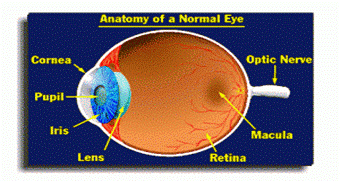
Figure 1 | Courtesy of The American Macular Degeneration Foundation
When AMD damages the macula, your central vision becomes blurry, distorted, or harder to focus. While side vision usually remains intact, losing central vision can make daily life more challenging.
With proper care and monitoring, many patients with AMD continue to live active, independent lives.
Understanding the Difference Between Dry AMD and Wet AMD
There are two main types of age-related macular degeneration: Dry AMD and Wet AMD. Both affect the macula, but they develop in different ways.
Dry AMD
Dry AMD is the most common form of this eye disease. It develops slowly over time as the macula becomes thinner and small protein deposits, called drusen, build up.
People with Dry AMD may notice:
• Gradual blurriness
• Difficulty seeing fine details
• Colors looking dull or faded
• Trouble reading small print
• Reduced contrast
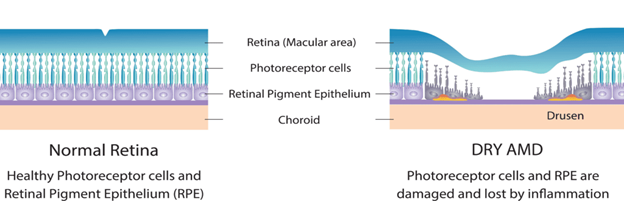
Figure 2 | Courtesy of The American Macular Degeneration Foundation
In the early stages, symptoms of dry AMD can be so subtle that you might not notice any changes at all. That’s why regular eye exams are such a helpful way to stay ahead of it.
Wet AMD
Wet AMD develops when new, unhealthy blood vessels grow under the retina and leak fluid or blood, which can damage the macula quickly. Wet AMD less common but is more serious.
Symptoms of wet AMD may include:
• Sudden vision changes
• Wavy or distorted lines
• Blurry or missing spots in central vision
• Rapid loss of detail
Wet AMD requires immediate attention from a retina specialist to prevent permanent damage and vision loss.
Both dry AMD and wet AMD need careful monitoring and professional treatment.
AMD Treatment Options
Modern medicine offers effective ways to manage both dry and wet AMD. Your treatment plan will depend on your condition, stage, and overall eye health.
Wet AMD Treatment
In the past, doctors often used laser surgery to treat wet AMD. Today, this approach is rarely needed.
The most effective treatment now is anti-VEGF injections.
These medications block a protein called Vascular Endothelial Growth Factor (VEGF). VEGF causes abnormal blood vessels to grow and leak. By stopping this process, anti-VEGF injections help:
- Reduce swelling
- Prevent further damage
- Stabilize vision
- In some cases, improve sight
Most patients receive these injections in a comfortable clinical setting with minimal discomfort

Figure 3 | Photo by Brands&People on Unsplash
Dry AMD Treatment
For many years, dry AMD had limited treatment options. Care focused mainly on monitoring vision and using nutritional supplements.
Today, treatment for dry AMD may include:
- AREDS 2 vitamins, which can slow progression in certain stages
- Lifestyle changes, such as quitting smoking and improving diet
- Regular eye exams to track changes
- New intravitreal injections for advanced dry AMD
Recent advancements now allow certain patients with advanced dry AMD to receive injections that help slow macular damage and preserve vision.
Although the idea of an eye injection may sound intimidating, doctors use numbing drops to keep the process comfortable. Most patients experience little to no pain and can return to normal activities quickly.
Why Regular Retina Exams Matter
AMD is a progressive eye disease. This means it can worsen over time if left untreated. Regular visits with a retina specialist allow your doctor to:
- Detect early changes
- Adjust treatment plans
- Monitor disease progression
- Prevent severe vision loss
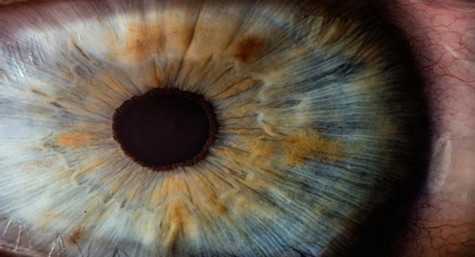
Figure 4 Photo by v2osk on Unsplash
Protect Your Vision Today
At Sight360, we combine advanced diagnostic technology with experienced specialists to deliver personalized care for every patient. Our multidisciplinary team works together to protect your eyesight and support your long-term vision health.
If you’re searching for a retina specialist in the Pinellas Park, Brandon, Tampa, and St. Pete Area, our compassionate professionals are ready to help.
Don’t wait for vision changes to affect your daily life. Early action makes a difference when managing age-related macular degeneration and other eye diseases.
📅 Schedule a retina evaluation with a Sight360 retina doctor today and take the first step toward protecting your sight.
Schedule Now with our Retina Specialists!