

Medical Eye Exam
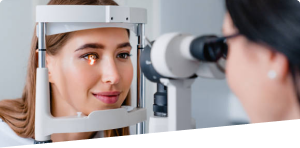
A medical eye exam is an appointment with an optometrist when there is something wrong with your eyes or vision, beyond nearsightedness, farsightedness and astigmatism. If you are in pain, have experienced eye trauma, have a foreign body in the eye, or are diagnosed with or
need to evaluate and existing diagnosis of an eye disease, such as cataracts, glaucoma, macular degeneration, you will need a medical eye exam. These exams are billed to your medical insurance carrier, and not your vision plan.
At Sight360, we categorize medical optometry in to two different levels depending on the seriousness of your eye condition. All our optometrists are trained and qualified to handle what we call “Level 1”, and a select few are highly trained and qualified to handle “Level 2”.
But don’t worry, we work as a team. If we cannot provide treatment during your visit, we may refer you to one of our other medical optometrists or a board-certified ophthalmologist to co-manage your care.
Contact Lens Exams
A contact lens exam is designed specifically for patients who want to wear contact lenses as an alternative to glasses. A contact lens exam includes everything you would normally experience in your routine eye exam with a few additional services.
During your contact lens exams, your optometrist will consult with you about your lifestyle and any health considerations you may have that might impact how you use contact lenses. They may suggest a specific brand or type of lens. Your optometrist will also measure your eyes to ensure the perfect lens fit, and review contact lens safety and hygiene.
Routine Eye Exam
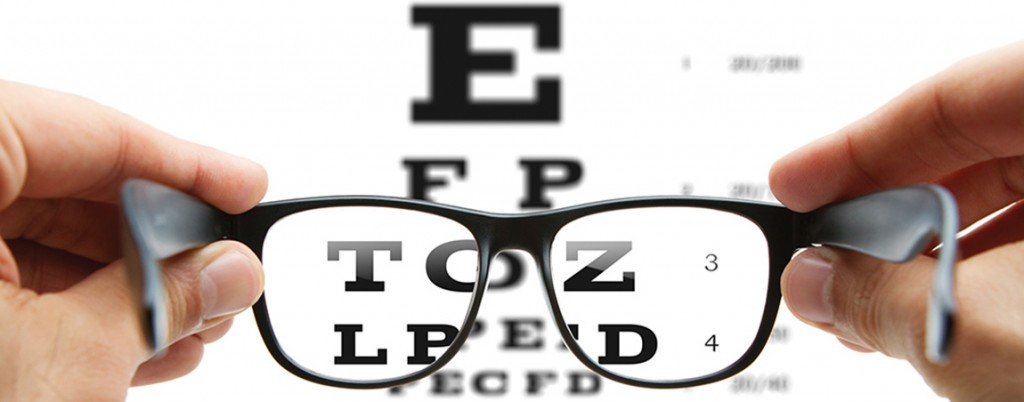
A comprehensive eye exam, also known as a routine eye exam, usually happens once per
calendar year and is billed to your vison insurance plan. It includes dilation to screen for eye disease and may include a prescription for glasses to treat vision diagnoses, such as
nearsightedness, farsightedness and astigmatism.
After your exam, you can meet with one of our friendly, licensed opticians to browse our wide selection of eyeglass frames and eyeglass lenses.
If your optometrist detects an eye disease, it is possible the classification of your visit may become a medical eye exam.
While we hope that your eyes are always in good health, should you have a serious eye
condition like dry eye, myopia, cataracts, glaucoma, macular degeneration, diabetic
retinopathy, or any other eye disease, we can detect, diagnose and in many cases, treat your
disease from the comfort of your optometrist’s office.
If we cannot provide treatment during your visit, we may refer you to one of our other medical optometrists or a board-certified ophthalmologist to co-manage your care.
Optometry
When it comes to caring for your vision, it all starts with a visit to see one of our friendly, knowledgeable and licensed optometrists.
General Ophthalmology
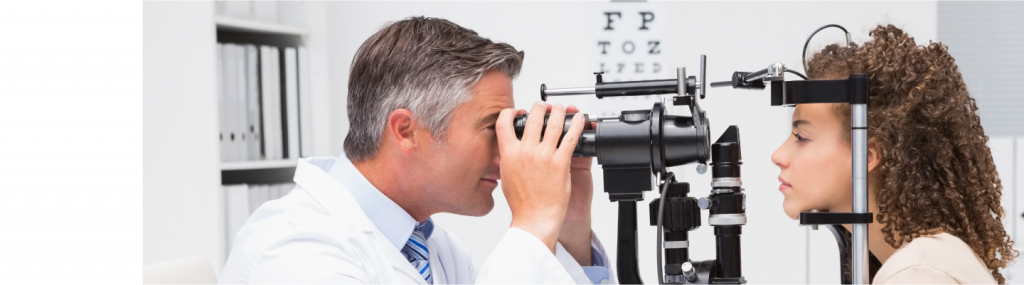
Our general ophthalmologists provide complete, 360-degree ophthalmic services and can examine, diagnose and treat all visual conditions and disease.
Optical Retail
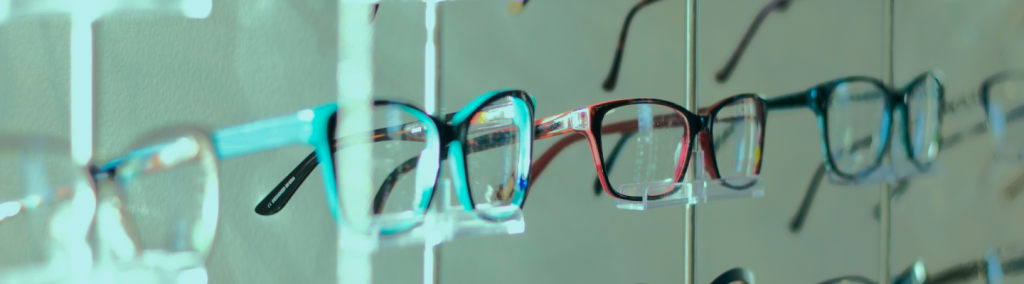
Home Optical Retail Shop for everything you need in one of our boutique optical retail shops. # Eyeglass Frames # Eyeglass Lenses # Contact Lenses # Sunglassess # Accessories Shop Our Wide Selection of Designer Glasses & Contact Lenses If you need prescription eyeglasses and/or contact lenses, our licensed opticians and eye care professionals are […]
Oculoplastics
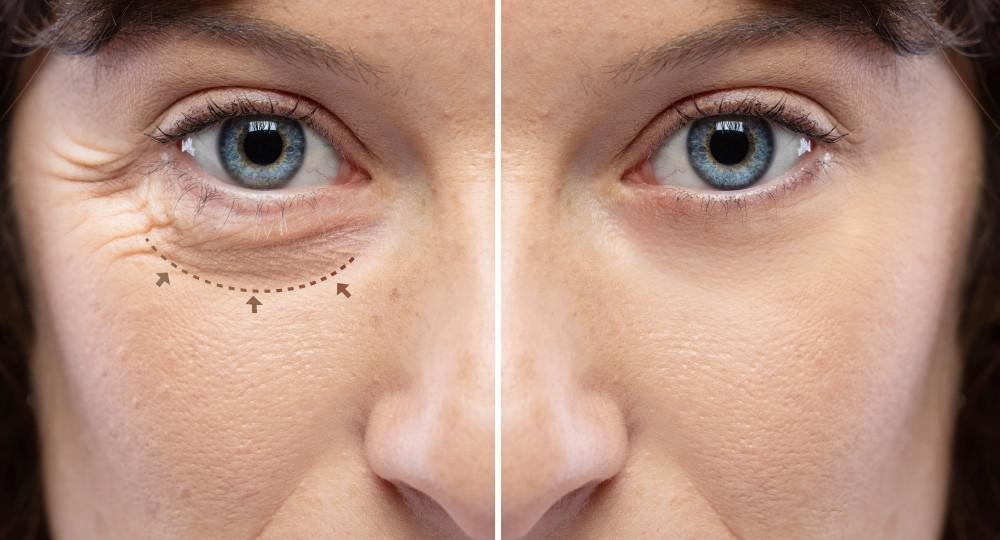
Our cosmetic ophthalmic surgeons treat diseases affecting the eyelids, tear ducts, muscles and nerves surrounding the eye and the bones of the eye socket.
Retina
Our vitreoretinal surgeons treat all medical and surgical retinal disease and laser surgery, including diabetic retinopathy, macular degeneration, retinal tears and detachments.
Glaucoma
Our general ophthalmologists evaluate, treat and diagnose most glaucoma cases, while our highly trained glaucoma specialist provides advanced glaucoma care and glaucoma surgery.
Cataracts

Before you undergo elective cataract surgery, you should be aware of how cataracts work, what happens to the eye, and the benefits of a surgical improvement procedure. A cataract is the development of fogginess over the lens of the eye that impairs vision.
Behind the colored iris is a clear section of the eye. It lets light reach the retina allowing the eye to see. Cataracts develop with the natural entropy of aging and over time they can cause difficulty seeing at night, reading, or comprehending finer details normally seen with regular vision. The development of cataracts forms due to proteins in the lens of an eye clumping together. Light can’t pass through the collection of protein when this takes place. Everyone’s eyes have protein patterns aligned in a certain way that organizes the protein, but because the cells in our eyes do not have anywhere to filter out to, over time they build up. This coagulation of protein is the cause of cataracts.