



Audiology Awareness Month: Why Your Hearing Deserves a Check-Up
October is Audiology Awareness Month, a yearly reminder that hearing health is part of your overall health. Here's what audiology covers, the early signs worth noticing, and why your ears and eyes work as a team.
What Is Audiology Awareness Month?
Audiology is the area of health care focused on hearing and balance. Every October, Audiology Awareness Month encourages people to pay attention to how well they hear. It's also a good nudge to schedule a hearing check if it's been a while, or if you've never had one.
Hearing changes often happen slowly. Turning up the TV, asking others to repeat themselves, or skipping noisy restaurants are some of the most common signs of hearing loss. Because the shift is so gradual, many people adjust without noticing, and a professional evaluation is often the first clear look at what's really going on.
Key Hearing Health Terms, Explained
A few terms come up often when people talk about hearing. Here's what they mean in plain language.
Audiologist
A licensed hearing health professional who tests hearing and balance, identifies the type of hearing loss, and recommends next steps, such as hearing aids or other support.
Audiogram
A simple chart of your hearing test results. It shows the softest sounds you can hear at different pitches, from deep low tones to high, bright ones.
Tinnitus
Ringing, buzzing, or humming in the ears that others can't hear. It can come and go or stay constant, and an audiologist can help look for possible causes.
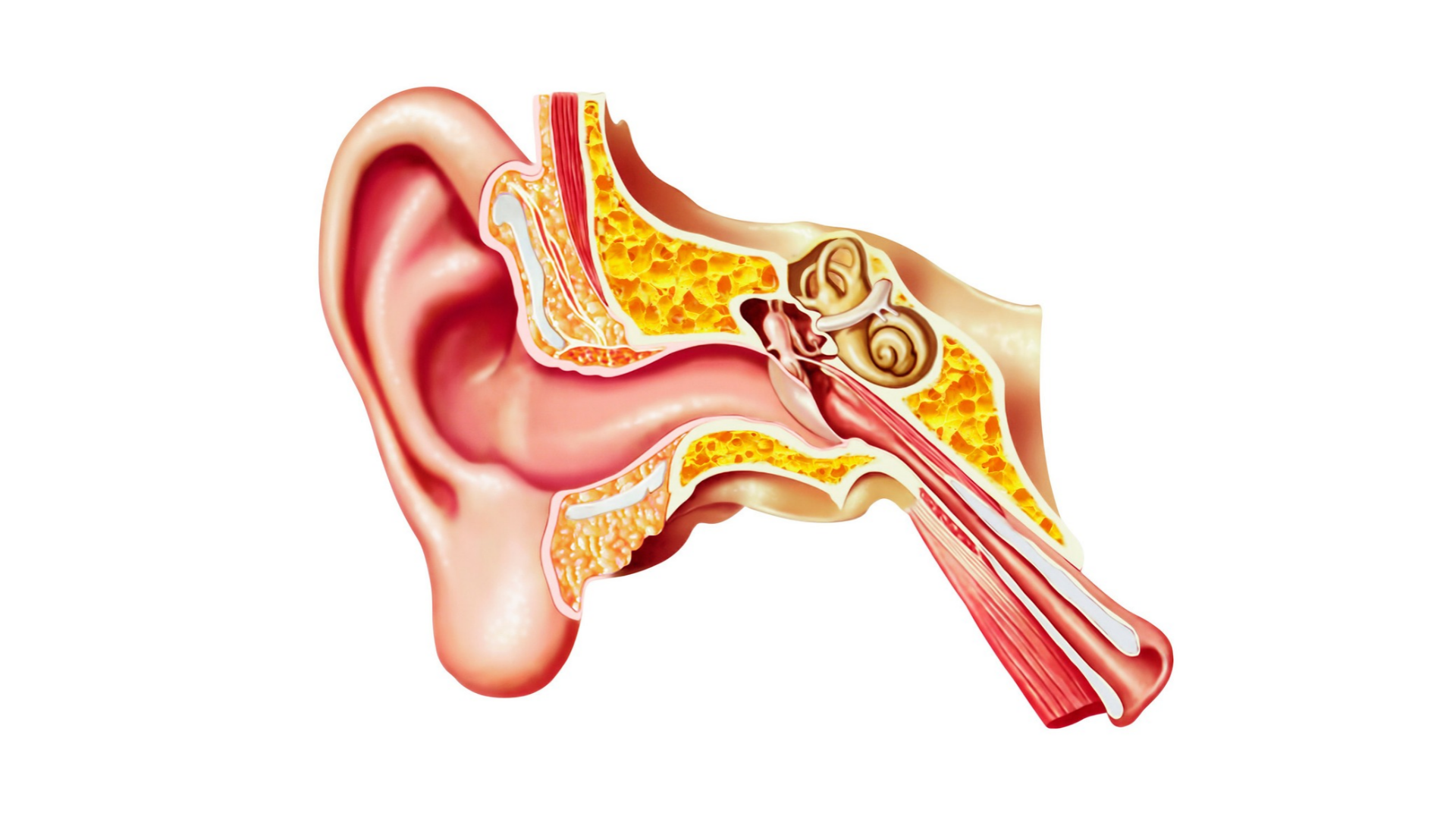
Cochlea
A small, snail-shaped structure in the inner ear. Tiny hair cells inside it turn sound vibrations into nerve signals that travel to the brain.
Types of Hearing Loss
Hearing loss isn't one single condition. An audiologist looks at where along the hearing pathway the change is happening.
Conductive
Sound has trouble passing through the outer or middle ear, for example because of earwax buildup, fluid, or an infection. Sounds may seem muffled, and some causes may be treatable.
Sensorineural
This type involves the inner ear or the hearing nerve and is often linked to aging or long-term noise exposure. Speech may sound fine in a quiet room but hard to follow in a crowd.
Mixed
A combination of conductive and sensorineural hearing loss. Your provider will look at both parts of the hearing pathway to recommend the right next steps.
Why Untreated Hearing Loss Matters
Untreated hearing loss can affect more than how well you hear. When conversations start to feel tiring, many people pull back from phone calls, social plans, and family gatherings. Over time, that can lead to feelings of isolation and frustration.
Researchers are also studying the connection between hearing and cognitive decline (changes in memory and thinking skills). Some studies have found an association between the two, though scientists are still working to understand how they're linked. The takeaway is simple: noticing changes early gives you and your provider more options.
How Hearing and Vision Work Together
Your senses don't work alone. When you talk with someone in a busy room, your brain blends what you hear with what you see, such as lip movements, facial expressions, and gestures, to fill in the gaps.
That's why a change in one sense can make the other work harder. Caring for your hearing health and keeping up with a routine eye exam help both senses stay at their best. Your inner ear and your eyes also work together for balance, so if you've noticed unsteadiness, mention it to one of our Sight360 doctors.

What to Expect From a Hearing Test for Adults
A conversation about your hearing
Your provider asks about your health history, noise exposure, and any changes you've noticed, like ringing or trouble following conversations.
A look inside your ears
Using a small lighted instrument, the audiologist checks your ear canal and eardrum for earwax, fluid, or other visible issues.
Listening tests
Wearing headphones in a quiet room, you'll signal each time you hear a tone. You may also repeat words to show how well you understand speech.
Reviewing your results
Your audiologist walks you through your audiogram and explains what it means. The process is non-invasive, and you'll leave with a clear picture of your options.
Frequently Asked Questions
When is Audiology Awareness Month?
It's observed every October in the United States. It's a great time to schedule a hearing check, especially if you've noticed changes or haven't had one in several years.
What are the most common signs of hearing loss?
Common signs include asking people to repeat themselves, setting the volume higher than others prefer, and struggling to follow conversations in noisy places. Ringing in the ears is another. If any of these sound familiar, a hearing evaluation can help.
Is a hearing screening the same as a hearing test?
Not quite. A screening is a quick check that shows whether you should be evaluated further. A full hearing test by an audiologist measures your hearing across different pitches and helps identify the type of hearing loss.
Can I protect my hearing?
In many cases, yes. Limiting time around loud noise, wearing earplugs at concerts or while using power tools, and keeping headphone volume moderate can all help protect your hearing over time.
Will my medical insurance cover my hearing exam?
Many plans include routine hearing exams, but coverage varies. You can review the insurance plans Sight360 accepts or call our team before your visit.
Healthy Senses Start With a Check-Up
Let Audiology Awareness Month be your reminder to care for your hearing health and your vision. Book your next eye exam with a Sight360 provider near you in Tampa Bay.
Request an Appointment Call 813.681.1122